
Detección de Microcystis spp. tóxicas mediante LAMP como herramienta de alerta temprana para el monitoreo de la calidad del agua
Floraciones de cianobacterias y otros contaminantes
Estamos comenzando a abordar los riesgos a la salud que acarrean las cianobacterias y otros contaminantes
Primeras Jornadas sobre Investigación en micro y macro algas (JIGAS)
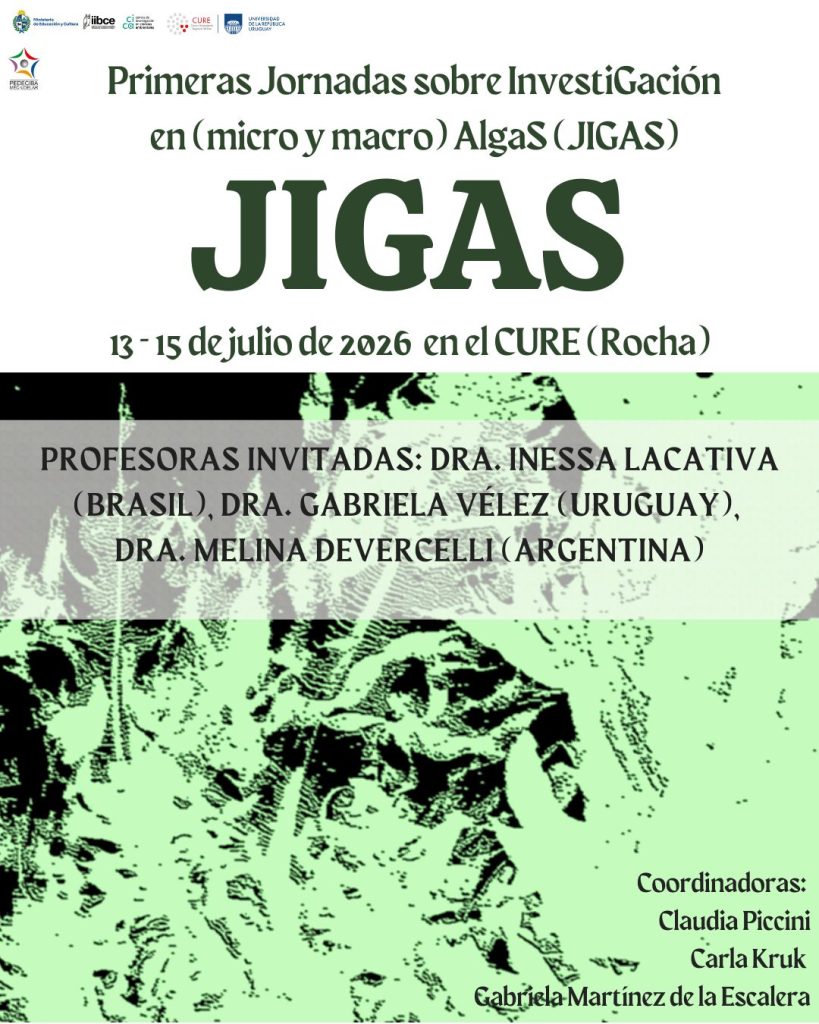
Por información e inscripciones: https://forms.gle/UW94gDnBTLWMgHEE7
Sedimentary indicators of anthropogenic impact in Fildes Peninsula lakes (King George Island, Maritime Antarctica)
EPIBIONTES ASOCIADOS A LA BASURA MARINA EN PLAYAS DE URUGUAY, POSIBLES INDICADORES DE SU ORIGEN
La basura marina antropogénica ha sido reconocida como un serio problema ambiental, económico, de salud humana y estético a nivel mundial. Las playas de arena proveen una gran cantidad de servicios ecosistémicos además de recreación, y son altamente afectadas por la presencia de basura. En este trabajo se evaluó la composición de la basura marina […]
Microcistinas y bandera sanitaria

Análisis de situación sobre el protocolo de bandera sanitaria
Claudia Piccini, Gabriela Martínez de la Escalera, Carolina Croci
Departamento de Microbiología – IIBCE
Montevideo, 12 de enero de 2026
Cianobacterias tóxicas
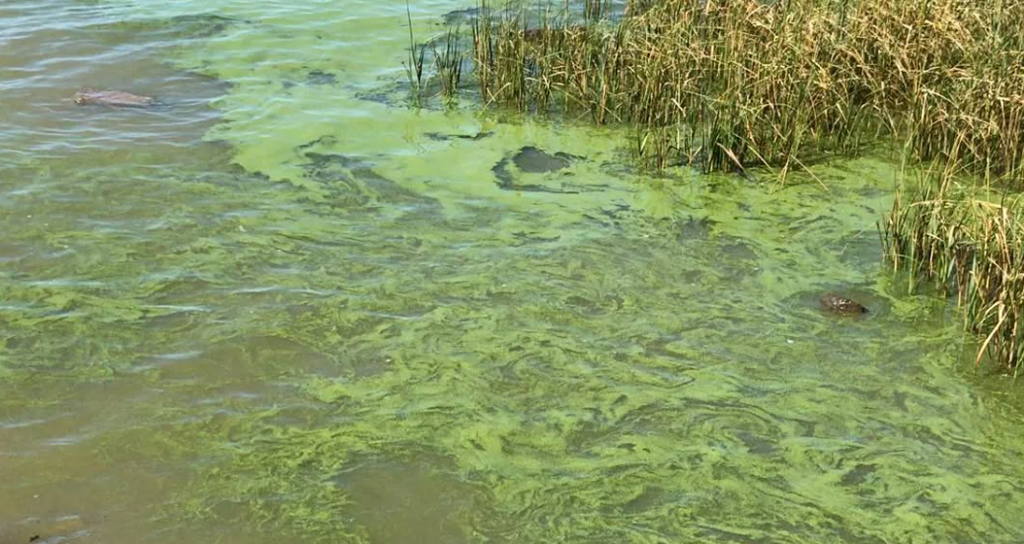
Estamos desarrollando un método rápido y sensible para detectar la presencia de cianobacterias tóxicas en el agua.
Programa Uruguay SUB200
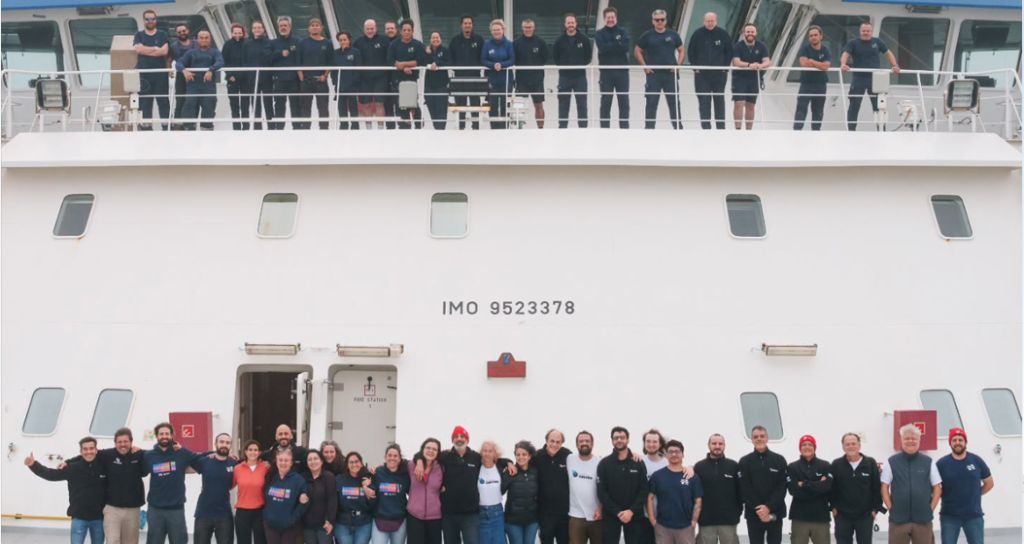
Nuestro grupo de investigación también forma parte del Programa Uruguay Sub200, cuyo eje central fue la campaña Fkt250812 del B/I Falkor (Too) en aguas uruguayas.
Biogeography of the cyanobacterium Raphidiopsis (Cylindrospermopsis) raciborskii: Integrating genomics, phylogenetic and toxicity data
Raphidiopsis (Cylindrospermopsis) raciborskii, a globally distributed bloom-forming cyanobacterium, produces either the cytotoxin cylindrospermopsin (CYL) in Oceania, Asia and Europe or the neurotoxin saxitoxin (STX) and analogues (paralytic shellfish poison, PSP) in South America (encoded by sxt genetic cluster) and none of them in Africa. Nevertheless, this particular geographic pattern is usually overlooked in current hypotheses about the species dispersal […]
Effect of hydrological modification on the potential toxicity of Microcystis aeruginosa complex in Salto Grande reservoir, Uruguay
It is widely known that the environmental conditions caused by the construction of reservoirs favor the proliferation of toxic cyanobacteria and the formation of blooms due to the high residence time of the water, low turbidity, temperature regimes, among others. Microcystin-producing cyanobacteria such as those from the Microcystis aeruginosa complex (MAC) are the most frequently found organisms in reservoirs worldwide, […]